
Twin Pregnancy
- Home
- High-Risk Disorders in Pregnancy
- Twin Pregnancy
Services
Get in Touch
Connect with Swathi Women’s Clinic for expert women’s care. We’re here to help.
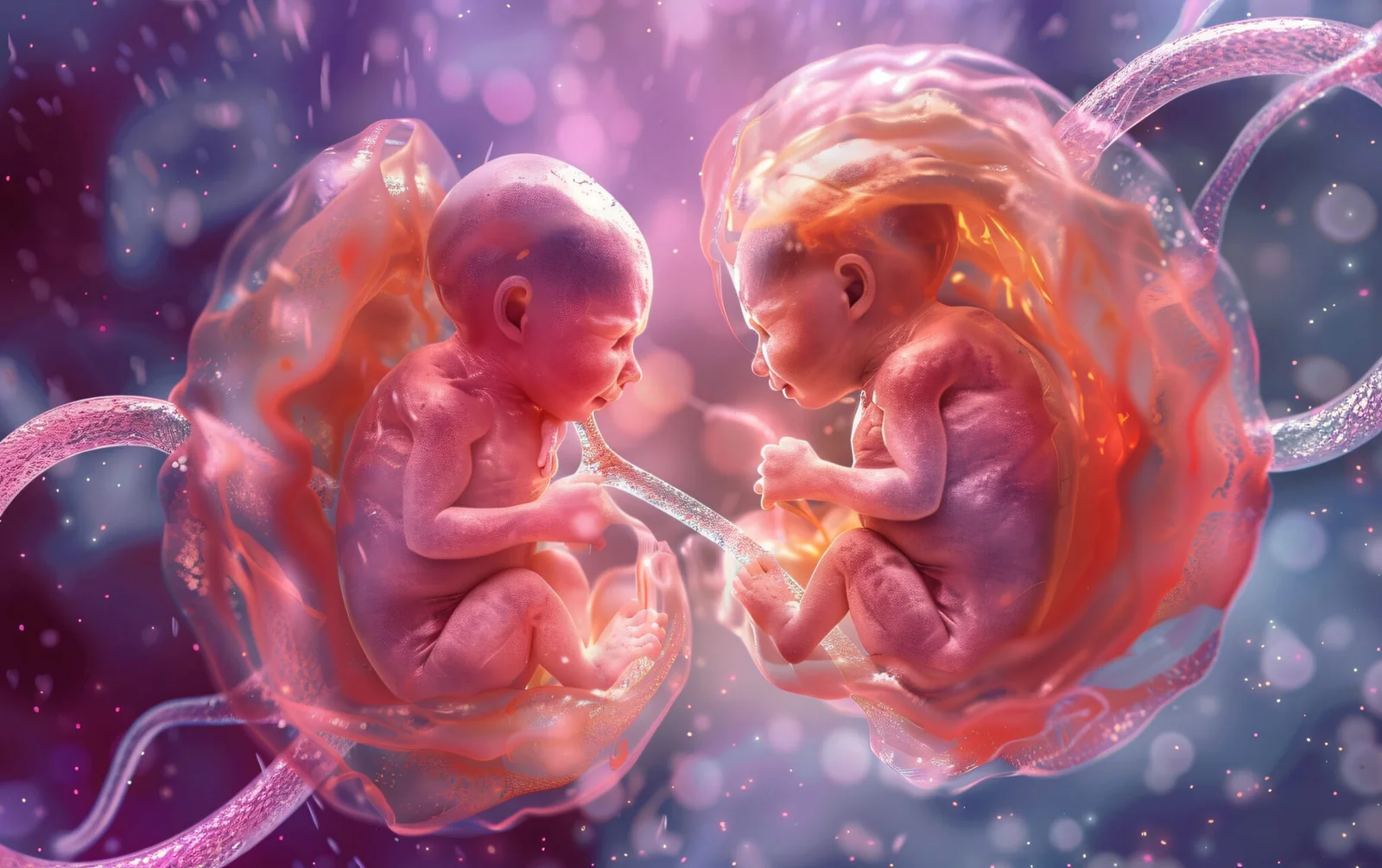
Expecting twins is a special and exciting journey, but it also requires extra care to ensure the health and well-being of both the mother and the babies. At Dr. Swathi Women’s Clinic, we are dedicated to providing comprehensive support for mothers carrying multiples, addressing the unique challenges of twin pregnancies. This educational guide is designed to help you understand twin pregnancies and the treatment options available at our clinic, particularly in high-risk cases such as those involving hypertension.
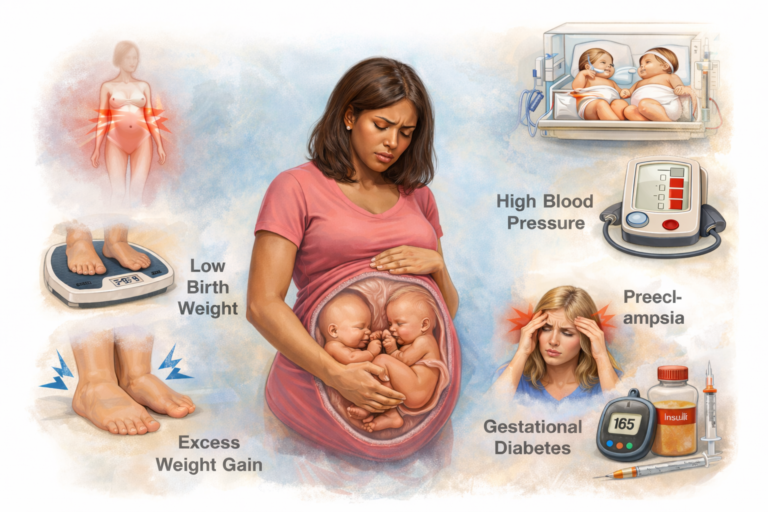
Understanding Twin Pregnancy:
Twin pregnancies occur when a woman is carrying two babies. There are two main types of twins: identical (monozygotic) and fraternal (dizygotic). Identical twins result from the division of a single fertilized egg, while fraternal twins develop from two separate eggs fertilized by two different sperm.
Common Challenges in Twin Pregnancy:
Increased Risk of Hypertension: Twin pregnancies are associated with a higher risk of developing hypertension, a condition characterized by high blood pressure. Proper management of hypertension is crucial to prevent complications for both the mother and the babies.
Preterm Birth Risk: Multiple pregnancies often have a higher likelihood of preterm birth, which can pose challenges for the babies’ health and development.
Gestational Diabetes Risk: The risk of gestational diabetes may be higher in twin pregnancies, necessitating careful monitoring of blood sugar levels.
Preventing Complications
Proper management of diabetes during pregnancy is essential to reduce the risk of complications such as a larger-than-normal baby (macrosomia), preterm birth, and the need for a cesarean delivery. Following the prescribed treatment plan, attending regular prenatal check-ups, and maintaining open communication with your healthcare team play a vital role in ensuring a safe and healthy pregnancy.
Frequently Asked Questions
A twin pregnancy means carrying two babies at the same time, requiring extra care and monitoring.
Yes, twin pregnancies have higher risks like preterm birth and Preeclampsia, so regular check-ups are essential.
More frequent visits and scans are required to monitor the growth and health of both babies.
A balanced diet, proper rest, and doctor guidance are important to support both babies’ development.
In some cases yes, but many twin pregnancies may require a C-section depending on the babies’ position and health conditions.