
Fibroids in Uterus
- Home
- Gynecological Disorders
- Fibroids in Uterus
Services
Get in Touch
Connect with Swathi Women’s Clinic for expert women’s care. We’re here to help.
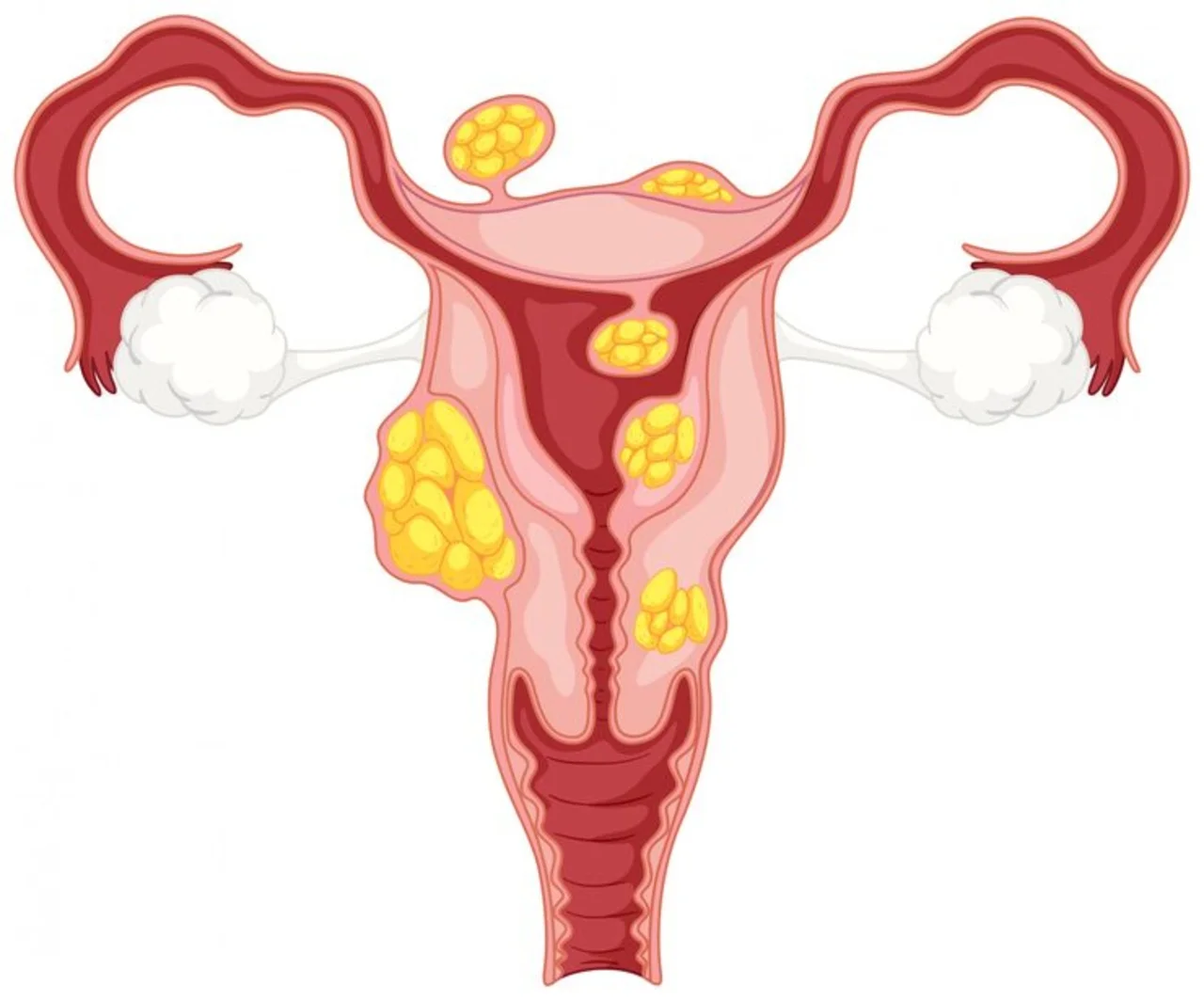
Uterine fibroids are a common gynecological condition that can cause discomfort and affect a woman’s reproductive health. At Dr. Swathi Women’s Clinic, we are committed to providing comprehensive care for women dealing with fibroids and related concerns. This educational guide is designed to help you understand uterine fibroids and the treatment options available at our clinic for a range of gynecological conditions.
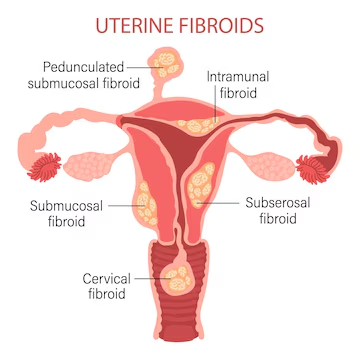
Understanding Uterine Fibroids:
Uterine fibroids are noncancerous growths that develop in or around the uterus, most commonly during the reproductive years. They can vary in size and location, leading to different symptoms and possible complications. Although the exact cause is unclear, factors such as hormonal changes, genetics, and family history are believed to play a role in their development.
Common Symptoms of Uterine Fibroids:
Menstrual Changes: Heavy bleeding, longer periods, or irregular menstrual cycles.
Pelvic Pain and Pressure: Discomfort in the pelvic area, ranging from mild to severe pain.
Frequent Urination: Larger fibroids may press on the bladder, causing increased frequency of urination.
Back or Leg Pain: Pressure on surrounding nerves can lead to backache or pain in the legs.
Pain During Intercourse: Fibroids may cause discomfort or pain during sexual activity.
Preventing Complications
Early detection and timely management of uterine fibroids are essential to prevent complications and enhance quality of life. Regular gynecological check-ups, clear communication with your healthcare provider, and a proactive approach to treatment all play a key role in achieving positive outcomes.
Frequently Asked Questions
They are noncancerous growths that develop in or around the uterus.
Heavy periods, pelvic pain, frequent urination, and abdominal bloating.
The exact cause is unknown, but hormones and genetics play a role.
Most fibroids are harmless, but some may cause discomfort or complications.
Treatment depends on symptoms and may include medication or surgery if needed.