
Contraceptive Options
- Home
- High-Risk Disorders in Pregnancy
- Contraceptive Options
Services
Get in Touch
Connect with Swathi Women’s Clinic for expert women’s care. We’re here to help.
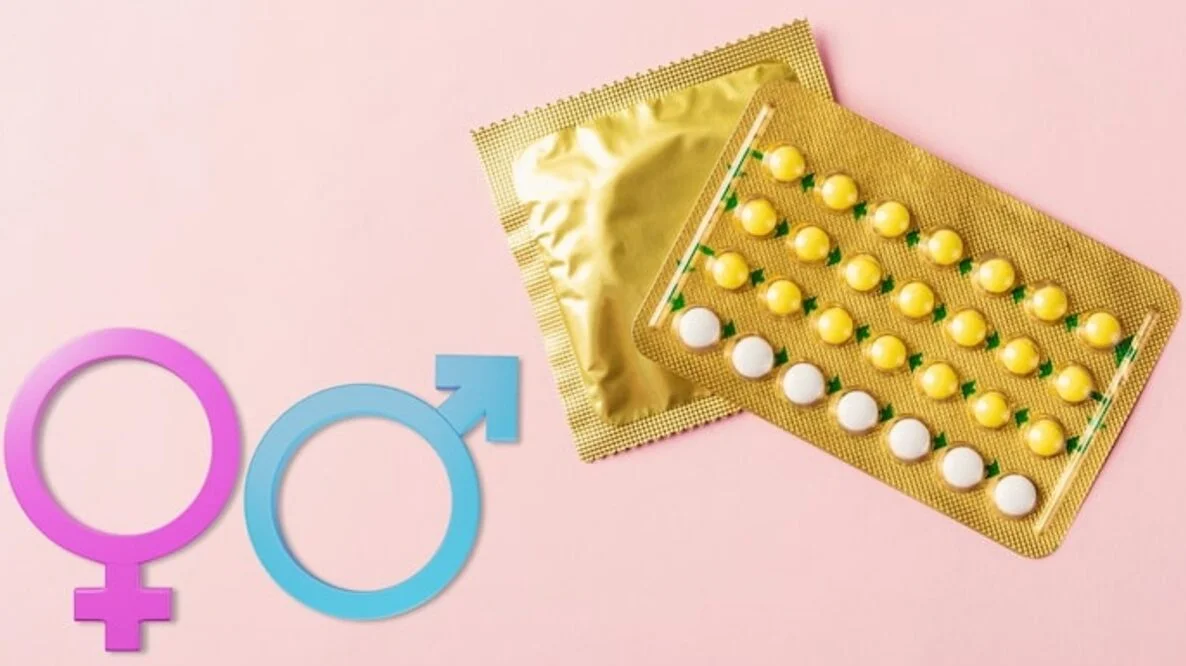
Making informed decisions about contraception is a crucial part of women’s reproductive health. At Dr. Swathi Women’s Clinic, we provide comprehensive care, including personalized guidance on a range of contraceptive options to suit individual needs. This educational content is designed to empower women with knowledge about contraception and highlight the common treatments available at our clinic for various gynecological conditions.
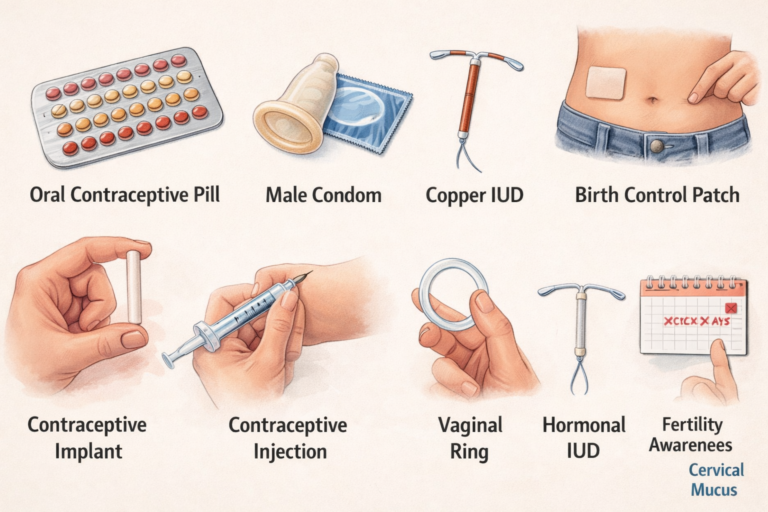
Understanding Contraceptive Options:
Contraception plays a crucial role in family planning and women’s reproductive health. Various methods are available to suit different preferences, medical histories, and lifestyles. At Dr. Swathi Women’s Clinic, we provide a wide range of contraceptive options to help women make informed choices about their reproductive health. Here are some commonly used methods:
Oral Contraceptives (Birth Control Pills):
Combination Pills: Contain both estrogen and progestin to prevent ovulation and alter cervical mucus, reducing the risk of pregnancy.
Progestin-Only Pills (Mini Pills): Ideal for women who cannot take estrogen-containing pills.
Contraceptive Patch:
A small patch applied to the skin that releases hormones to prevent ovulation.Worn weekly for three weeks, followed by a patch-free week.
Contraceptive Ring: A flexible ring inserted into the vagina that releases hormones to prevent pregnancy. Worn for three weeks, followed by a ring-free week.
Intrauterine Devices (IUDs):
Hormonal IUDs: Release progestin to prevent ovulation and thicken cervical mucus.
Copper IUDs: Create an environment hostile to sperm, preventing fertilization.
Contraceptive Injection (Depo-Provera):
A progestin injection administered every three months to prevent ovulation.
Barrier Methods:
Male and Female Condoms: Physical barriers that prevent sperm from reaching the egg.
Diaphragm: A silicone cup placed over the cervix before intercourse, used with spermicide.
Permanent Contraception:
Tubal Ligation: A surgical procedure that blocks or seals the fallopian tubes, preventing eggs from reaching the uterus.
Preventing Complications
At Dr. Swathi Women’s Clinic, we are committed to empowering women to make informed decisions about their reproductive health. From choosing the most appropriate contraceptive method to managing gynecological concerns, our compassionate team provides personalized care tailored to each individual. Through regular consultations, open communication, and a clear understanding of available options, we help women achieve the best possible outcomes for their reproductive well-being.
Frequently Asked Questions
Bleeding that is heavier, irregular, or occurs between periods.
Heavy flow, long periods, spotting between cycles, or missed periods.
Hormonal imbalance, stress, fibroids, or conditions like Polycystic ovary syndrome.
If bleeding is frequent, very heavy, or unusual for you.
Yes, most cases can be managed with proper diagnosis and treatment.