
Abnormal Uterine Bleeding
- Home
- Gynecological Disorders
- Abnormal Uterine Bleeding
Services
Get in Touch
Connect with Swathi Women’s Clinic for expert women’s care. We’re here to help.
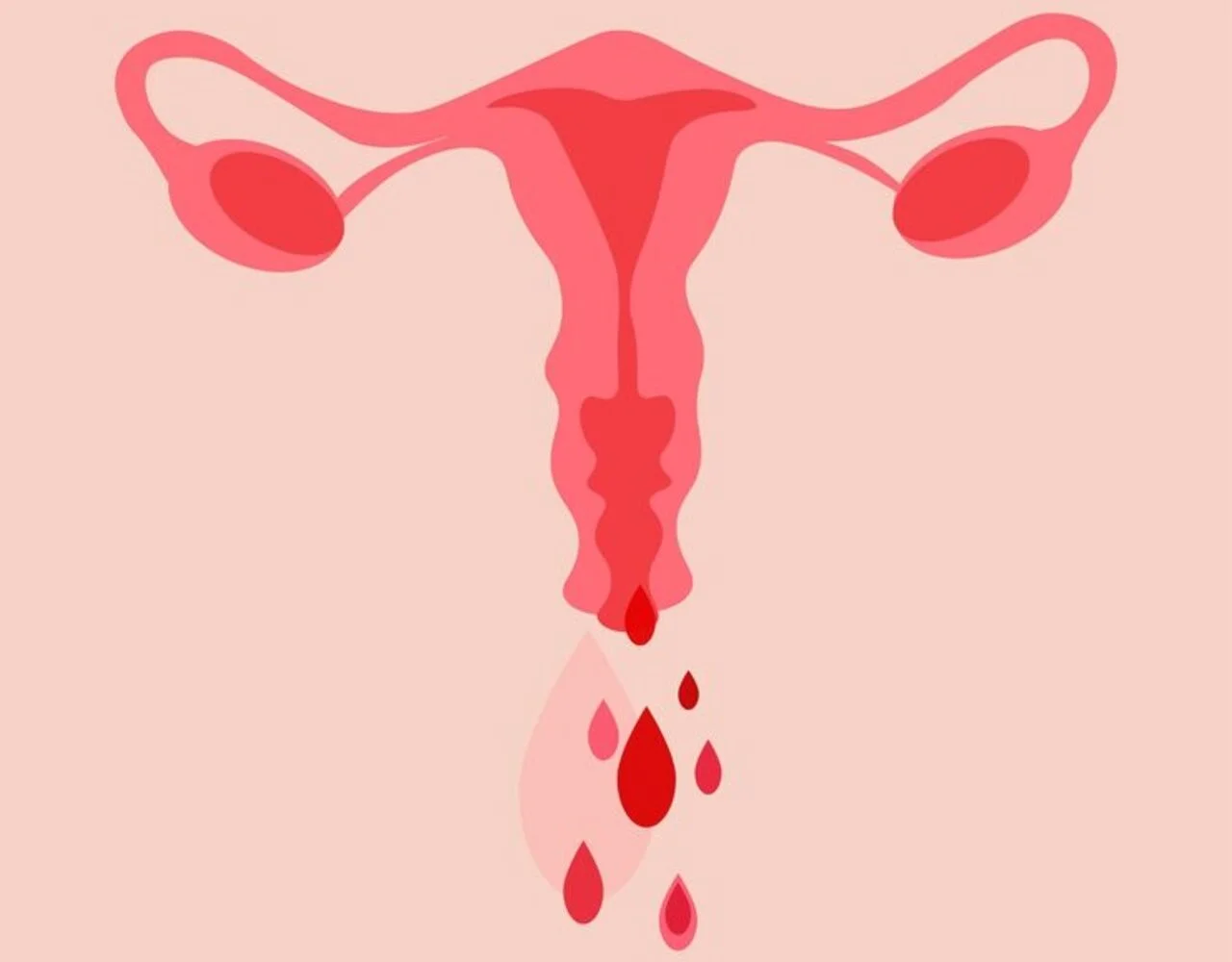
Abnormal uterine bleeding (AUB) is a common gynecological condition that can affect women at any stage of life, leading to irregular menstrual patterns and disruptions in daily activities. At Dr. Swathi Women’s Clinic, we are dedicated to delivering comprehensive and compassionate care for women experiencing AUB, with tailored treatments designed to address the underlying causes. This educational content provides clear insights into abnormal uterine bleeding and outlines the common treatment options available at our clinic for various gynecological conditions.
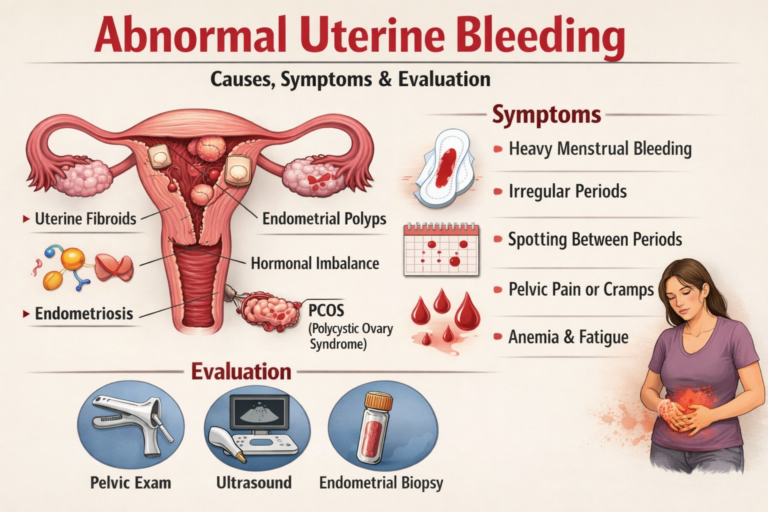
Understanding Abnormal Uterine Bleeding:
Abnormal uterine bleeding (AUB) refers to any irregular or unusual bleeding that differs from a normal menstrual cycle. It may present as heavy periods, irregular cycles, prolonged bleeding, or spotting between periods. AUB can arise from a range of causes, including hormonal disturbances, structural changes in the uterus, or underlying medical conditions.
Common Causes of Abnormal Uterine Bleeding:
Hormonal Imbalances: Fluctuations in hormone levels, such as those seen in conditions like PCOS or thyroid disorders, can disrupt normal menstrual cycles.
Uterine Fibroids: Noncancerous growths in the uterus that may lead to heavy or extended menstrual bleeding.
Endometrial Polyps: Benign growths in the uterine lining that can cause irregular or unexpected bleeding.
Pelvic Inflammatory Disease (PID): Infections of the reproductive organs that may result in abnormal bleeding patterns.
Endometriosis: A condition where tissue similar to the uterine lining grows outside the uterus, often leading to pain and irregular bleeding.
Preventing Complications
Timely diagnosis and appropriate management of abnormal uterine bleeding (AUB) are crucial to prevent complications such as anemia, decreased quality of life, and potential effects on fertility. Regular gynecological check-ups, clear communication with healthcare providers, and following the prescribed treatment plan play a key role in achieving positive outcomes.
Frequently Asked Questions
It refers to bleeding that is irregular, heavier, or occurs outside normal menstrual cycles.
Hormonal imbalance, fibroids, polyps, infections, or conditions like Polycystic ovary syndrome.
If bleeding is very heavy, prolonged, or happens between periods or after menopause.
It can be mild or serious depending on the cause, so proper diagnosis is important.
Treatment may include medications, hormonal therapy, or procedures based on the underlying cause.