
PCOS
Services
Get in Touch
Connect with Swathi Women’s Clinic for expert women’s care. We’re here to help.
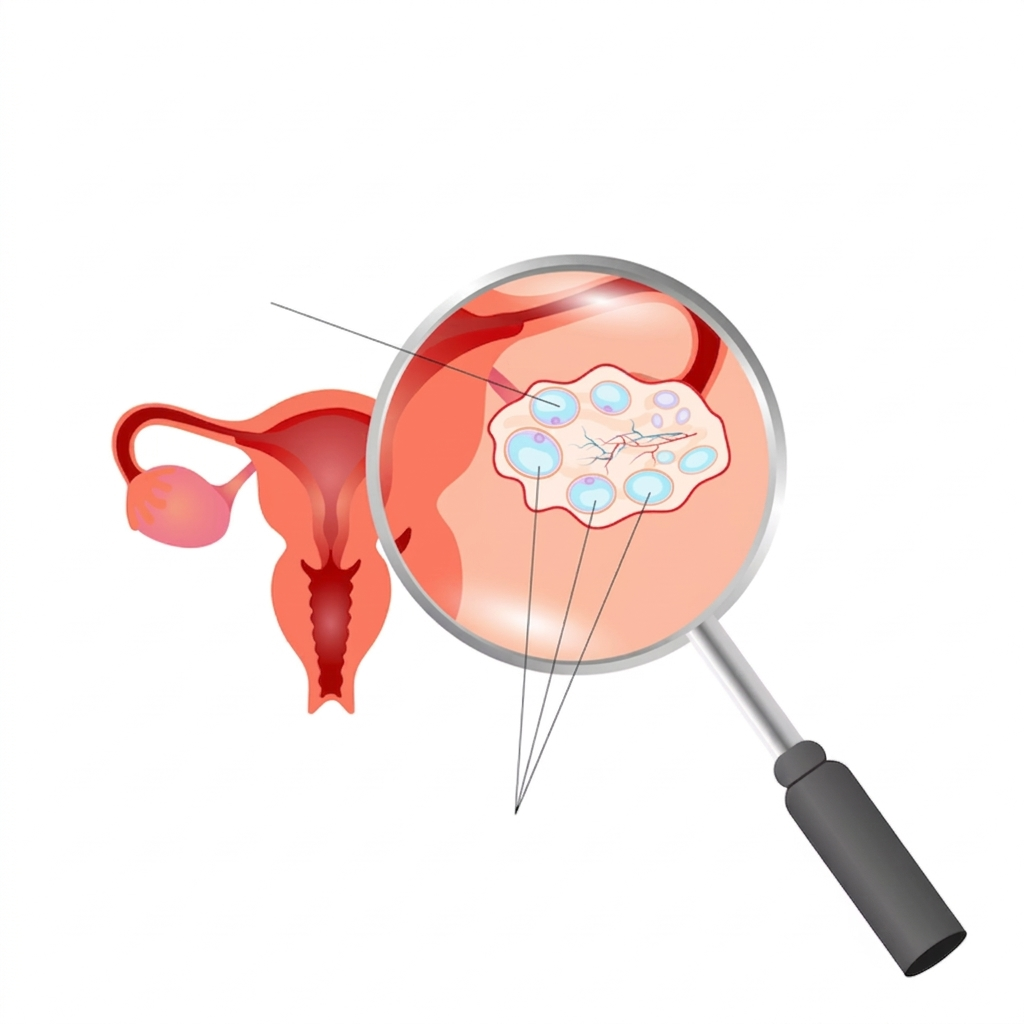
Polycystic Ovary Syndrome (PCOS) is a common hormonal disorder that affects many women, leading to imbalances and a variety of symptoms. At Dr. Swathi Women’s Clinic, we are committed to providing comprehensive and personalized care for women managing PCOS. This educational guide is designed to help you understand PCOS and the treatment options available at our clinic for a range of gynecological conditions.
Understanding PCOS:
PCOS is a hormonal condition that affects the ovaries, leading to an imbalance in reproductive hormones. Women with PCOS may have enlarged ovaries with multiple small cysts along the outer surface. While the exact cause is not fully understood, it is often linked to a combination of genetic and lifestyle factors.
Common Symptoms of PCOS:
Irregular Periods: Menstrual cycles may be irregular, infrequent, or prolonged.
Ovulatory Issues: Disruption in ovulation can make it difficult to conceive.
High Androgen Levels: Increased male hormones may lead to acne, excessive hair growth (hirsutism), and thinning of scalp hair.
Polycystic Ovaries: Ovaries may appear enlarged with multiple small cysts, typically detected on ultrasound.
Insulin Resistance: Some women may develop insulin resistance, increasing the risk of type 2 diabetes.
Preventing Complications
Effective management of PCOS is essential to reduce the risk of complications such as infertility, diabetes, and heart-related issues. Regular gynecological check-ups, clear communication with your healthcare provider, and following the prescribed treatment plan all play a key role in achieving positive outcomes and long-term health.
Frequently Asked Questions
PCOS (Polycystic Ovary Syndrome) is a hormonal disorder in women where the ovaries may develop multiple small cysts and cause irregular periods.
Symptoms include irregular periods, weight gain, acne, excessive hair growth (face/body), hair thinning, and difficulty in getting pregnant.
The exact cause is not fully known, but it is linked to hormonal imbalance, insulin resistance, genetics, and lifestyle factors.
Yes, PCOS can make ovulation irregular, which may affect fertility, but many women with PCOS can still conceive with proper treatment.
PCOS cannot be completely cured, but it can be managed effectively with medication, diet changes, exercise, and lifestyle improvement.